




















NOAA is predicting a below-normal 2026 Atlantic hurricane season, with an estimated 8 to 14 named storms, 3 to 6 hurricanes, and 1 to 3 major hurricanes. For facility leaders, that forecast may sound reassuring. But below-normal does not mean no risk.
It only takes one storm to disrupt building operations, compromise occupant safety, damage assets, and delay a return to business. A quieter season can still bring heavy rain, flooding, wind damage, storm surge, and debris. Each of these can affect how quickly and safely a facility can reopen.
That is why hurricane preparedness should be viewed as an operational priority, not just a weather-related task. The right plan helps protect people, preserve property, and position your facility for a faster, safer recovery.
Preparedness Starts Before the Forecast Becomes Urgent
The time to prepare is before a storm is named, before supplies become limited, and before conditions change. For facility teams, the weeks leading into hurricane season are the window to assess risk, align resources, and clarify responsibilities.
A strong preparedness plan begins with understanding the specific vulnerabilities of your building. This may include flood exposure, roof conditions, exterior hazards, ground-level entrances, drainage areas, equipment rooms, tenant communication protocols, and supply availability.
Harvard’s Storm-Ready Facilities guide recommends starting with a thorough risk assessment, identifying vulnerabilities, developing a mitigation plan, securing assets, establishing a communication plan, and relying on trusted partners who can support both preparation and recovery.
That planning should not sit in a binder. It should translate into clear actions: who communicates with building occupants, who secures exterior items, who checks supplies, who confirms access after the storm, and who determines when cleaning and recovery teams can safely enter the facility.
The Janitorial Role in Emergency Preparedness
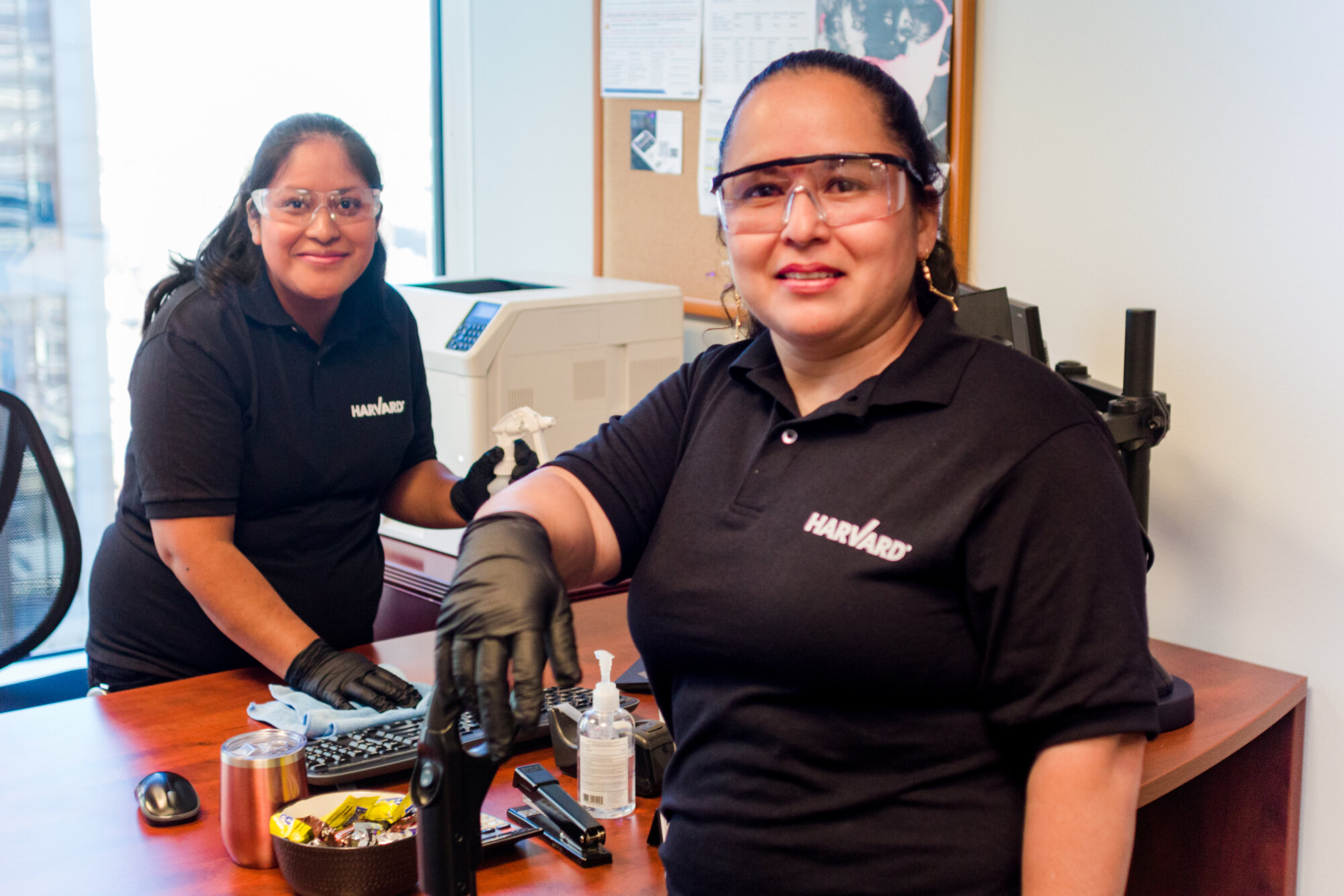
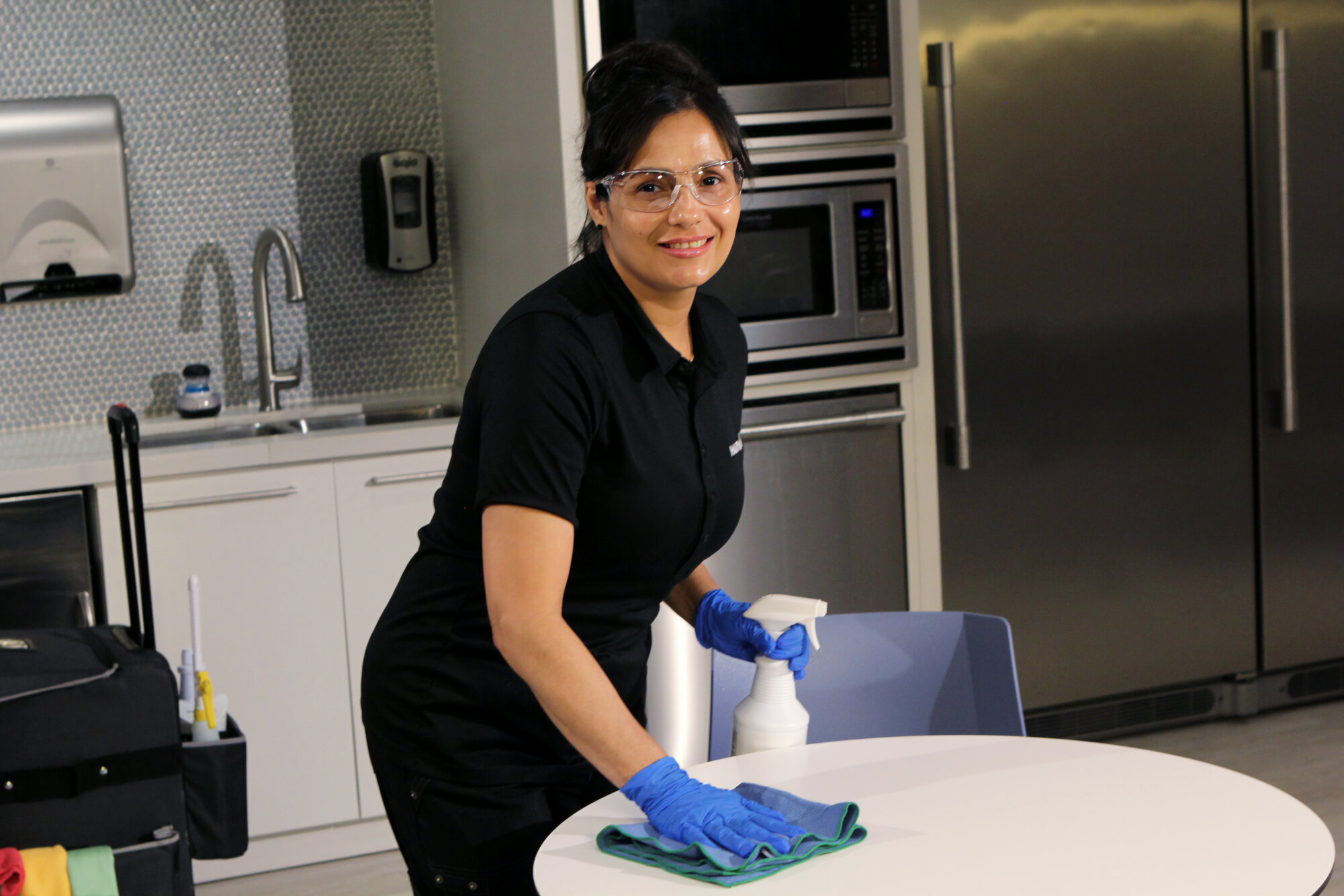
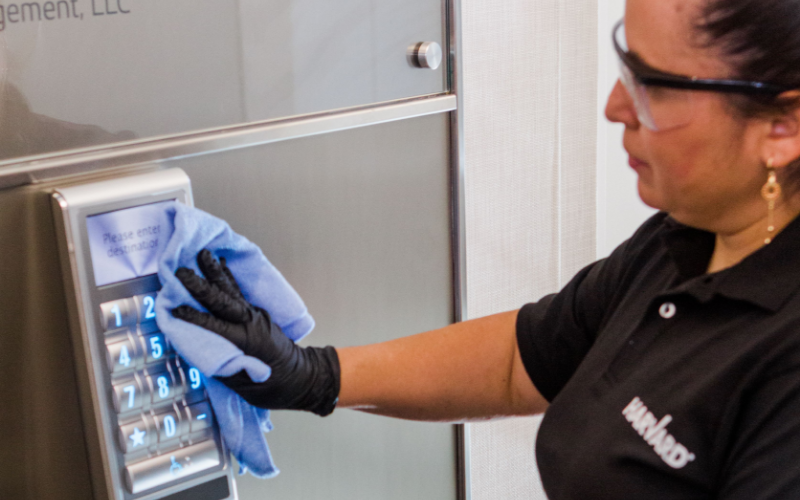
Janitorial teams are often among the first groups involved in preparing a facility before a storm and supporting recovery afterward. Their role goes far beyond routine cleaning. Before severe weather arrives, janitorial and facility service teams can help reduce risk by supporting site preparation, securing interior and exterior items, staging critical supplies, and confirming that high-use areas, entrances, stairwells, restrooms, and common spaces are ready for changing conditions.
Harvard’s hurricane preparedness process emphasizes the importance of communication, building safety, emergency preparedness kits, and supply logistics before the storm. That can include maintaining a phone tree, coordinating with building management, moving items away from windows, bringing outdoor signage and loose items inside, and ensuring teams have essentials such as boots, flashlights, safety vests, and gloves.
These actions matter because storms can escalate quickly. Once tropical storm-force winds, flooding, or evacuation orders enter the picture, the ability to safely access supplies, deploy labor, or make last-minute decisions becomes limited. Preparedness gives facility managers more control before conditions become unpredictable.
Post-Storm Cleaning Is a Business Continuity Issue
After a storm, cleaning is often one of the first steps toward reopening. But it must be done with the right safety mindset and the right sequence.
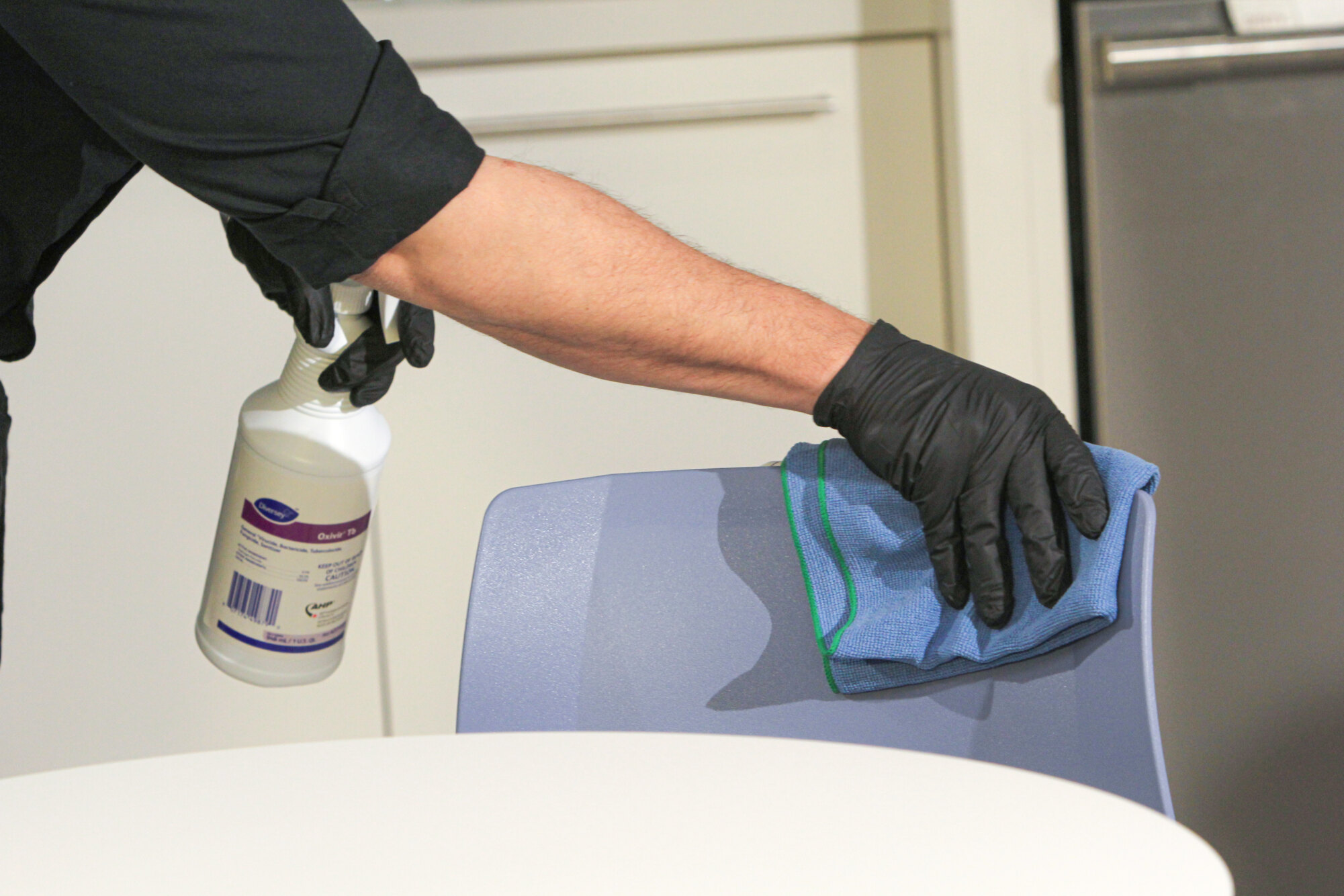
Wind can create debris and structural hazards. Rain can waterlog soft surfaces, furniture, and equipment. Floodwaters can introduce contaminants that create additional health concerns. Harvard’s guide notes that, as a general practice, surfaces such as walls, floors, ceilings, and fixtures may need to be cleaned and disinfected after a storm, with the scope depending on whether the facility experienced flooding, wind damage, or debris impact.
This is where the janitorial plan becomes central to business continuity. A facility cannot simply look clean after a storm. It needs to be assessed, cleaned, dried, disinfected where appropriate, and made safe for occupants. That requires coordination between building management, janitorial teams, restoration partners, and other vendors when damage extends beyond routine cleaning.
What Facility Leaders Should Prioritize Now
A below-normal forecast is not a reason to wait. It is an opportunity to prepare with focus and discipline.
Facility leaders should review emergency communication protocols, update contact lists, confirm vendor support, inspect supply inventories, evaluate building vulnerabilities, protect critical documents, and identify areas that may require special post-storm cleaning. They should also clarify how cleaning teams will support pre-storm preparation, immediate post-storm assessment, debris removal, water cleanup, disinfection, and reopening support.
Harvard’s approach is built around working with clients to develop a storm plan that supports readiness before the storm and helps facilities get back to business as safely and quickly as possible afterward.
Stay Ready, Even in a Quieter Season
The 2026 hurricane outlook may call for below-normal activity, but risk is never measured by the season as a whole. It is measured by the storm that affects your facility.
Preparedness protects people. Planning preserves operations. The right janitorial partner can help bridge the gap between weather risk and business resilience.
Harvard is here to help facility leaders prepare before the storm, respond after the storm, and return buildings to safe, clean, operational environments. Extraordinary People. Exceptional Service. Contact us today!