










Frequently Asked Questions
Harvard Maintenance provides comprehensive commercial cleaning and facility maintenance solutions designed to support clean, healthy, safe, and well-maintained environments. Our core services include janitorial services, disinfection services, specialty cleaning services, and restoration services, all tailored to the needs of each facility, industry, and operating environment.
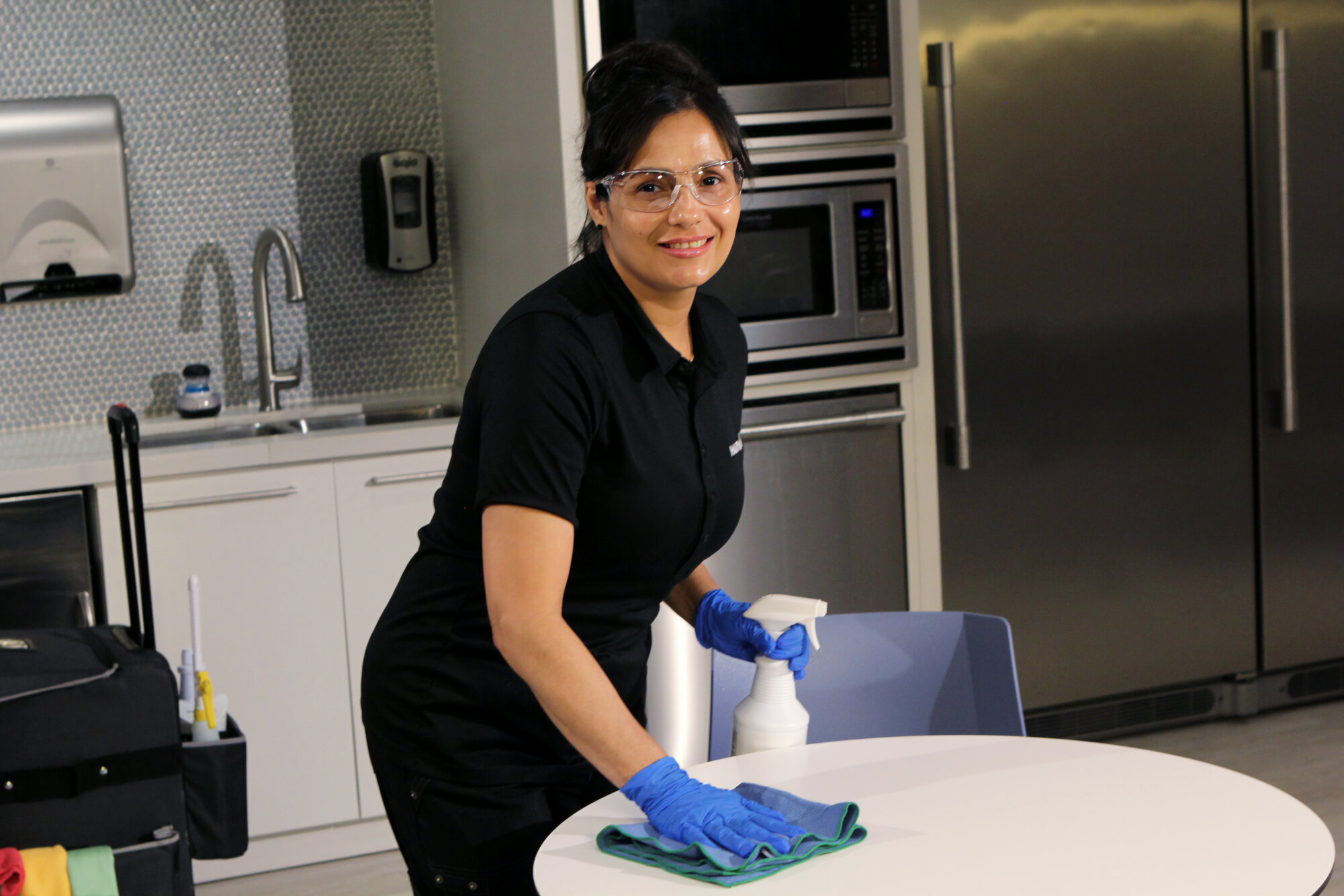
Our janitorial programs may include porter and matron services, floor and carpet care, restroom cleaning, high-touchpoint cleaning, window cleaning, upholstery and fabric cleaning, kitchen and pantry cleaning, walk-off mat maintenance, and other routine office cleaning services. For facilities with more specialized needs, Harvard also provides services such as post-construction cleaning, move-in and move-out support, emergency response, pressure washing, tile and grout cleaning, light maintenance, pest control coordination, and special event support.
Harvard Maintenance goes beyond cleaning for appearance alone. Our approach is built around Cleaning for Wellness, which focuses on health and safety, sustainability, productivity, and asset preservation. That means we look at cleaning as part of a larger facility strategy — one that supports building occupants, protects surfaces and materials, and helps clients create spaces where people genuinely want to be.
As a family-owned company, Harvard works for clients — not quarterly results, private equity, or uninterested shareholders. This allows us to remain flexible, responsive, and focused on long-term partnerships. Our people-first culture, structured training, safety focus, quality assurance technology, and sustainability programs help us deliver consistent service across complex facilities and multi-site portfolios.
Harvard Maintenance serves commercial and industrial clients across markets throughout the United States, including the lower 48 states. Our national footprint allows us to support single-location facilities, regional portfolios, and complex multi-site operations while maintaining local responsiveness and accountability.
Because every market and facility has different needs, Harvard develops service programs that reflect the location, building type, occupancy patterns, industry requirements, and client expectations. Whether supporting a corporate office, healthcare environment, educational institution, financial facility, laboratory, manufacturing site, or multi-site branch network, our teams are structured to deliver reliable, scalable service.
Harvard Maintenance supports a wide range of commercial, institutional, and industrial facilities. The industries we serve include commercial real estate, office buildings, financial institutions, education, healthcare, life sciences, industrial and manufacturing facilities, utilities, government, and multi-site retail or banking environments.
Each facility type requires a different cleaning strategy. A Class A office building may need a strong tenant experience program, day porter support, and detailed restroom and common-area cleaning. A healthcare or medical office environment may require a higher level of cleaning focused on infection control and regulatory expectations. A life sciences or controlled environment may require specialized procedures, trained teams, contamination prevention, and detailed quality documentation.
Yes. Harvard Maintenance does not believe in a one-size-fits-all approach to commercial cleaning. Every program begins with understanding the facility, the client’s goals, the building population, the operating schedule, the industry requirements, and the areas that present the greatest risk or visibility.
From there, Harvard develops a customized scope of work, staffing model, cleaning frequencies, quality assurance process, and communication structure. Programs can be designed around daily janitorial service, day cleaning, porter services, periodic deep cleaning, specialty services, high-touchpoint disinfection, sustainability goals, or multi-site consistency. The result is a cleaning program built around the way your facility actually operates.
Harvard’s Cleaning for Wellness program is our approach to cleaning beyond appearance. It is designed to support the health and safety of building occupants while also advancing sustainability, productivity, and asset preservation. Instead of focusing only on whether a facility looks clean, Cleaning for Wellness considers how cleaning processes, products, equipment, training, and quality assurance can help create a healthier indoor environment.
This approach includes attention to high-touch surfaces, contaminants, indoor air quality, environmentally preferable products and processes, and measurable outcomes. It is especially valuable in high-occupancy environments where cleanliness directly impacts occupant confidence, workplace experience, and operational continuity.
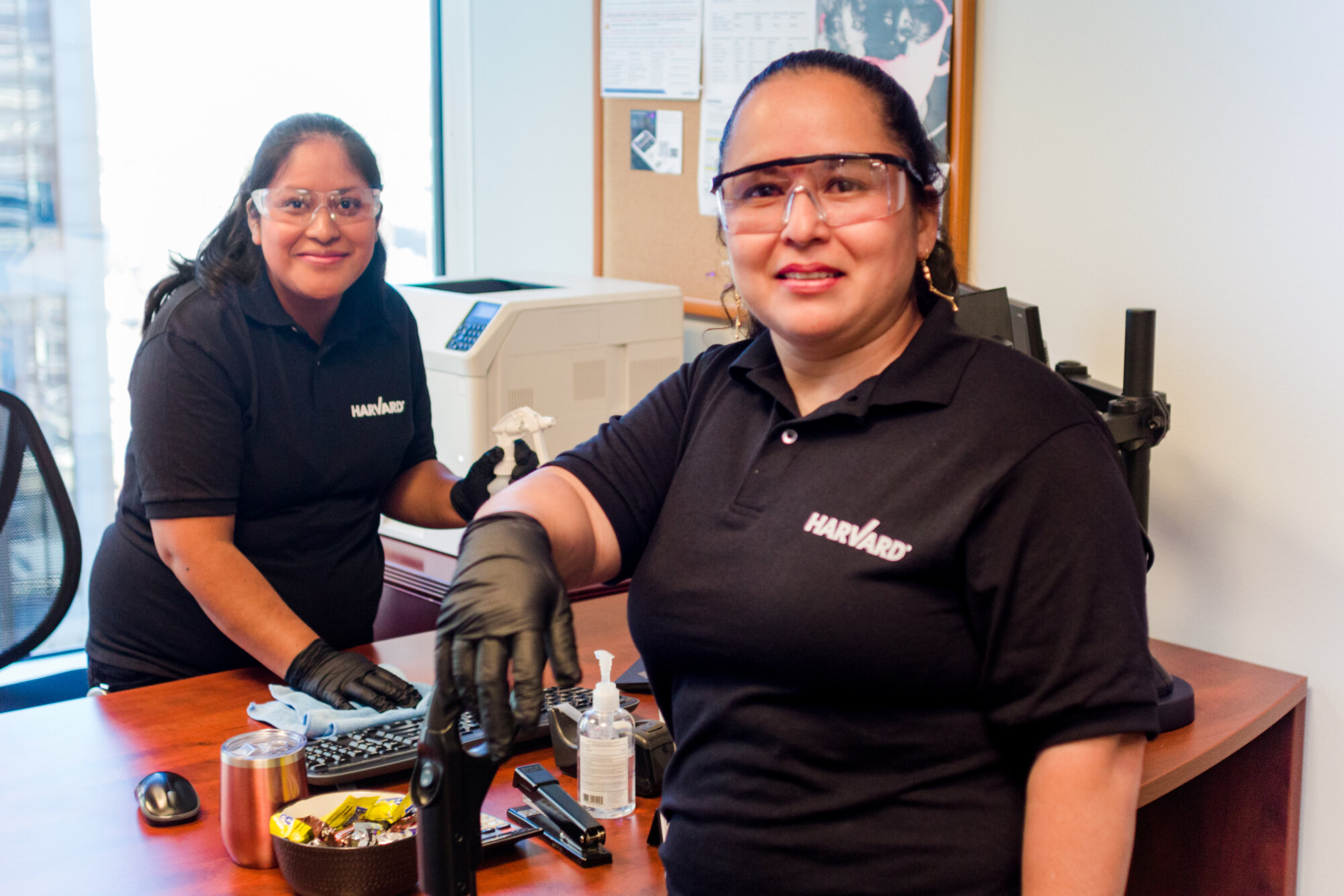
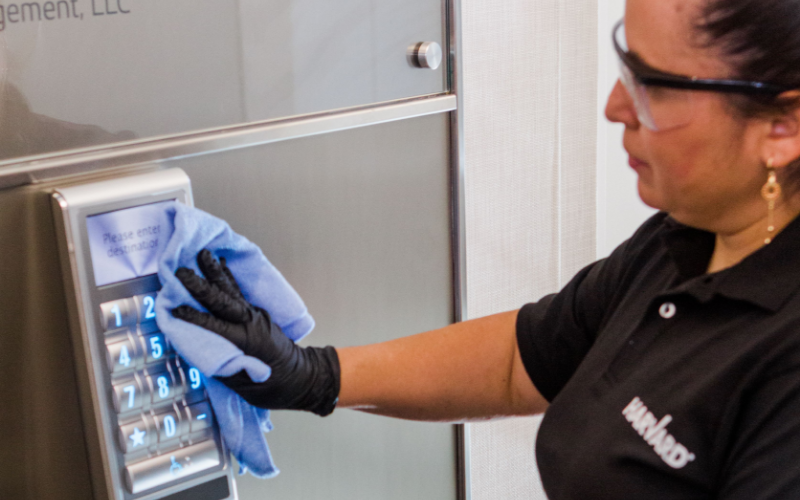
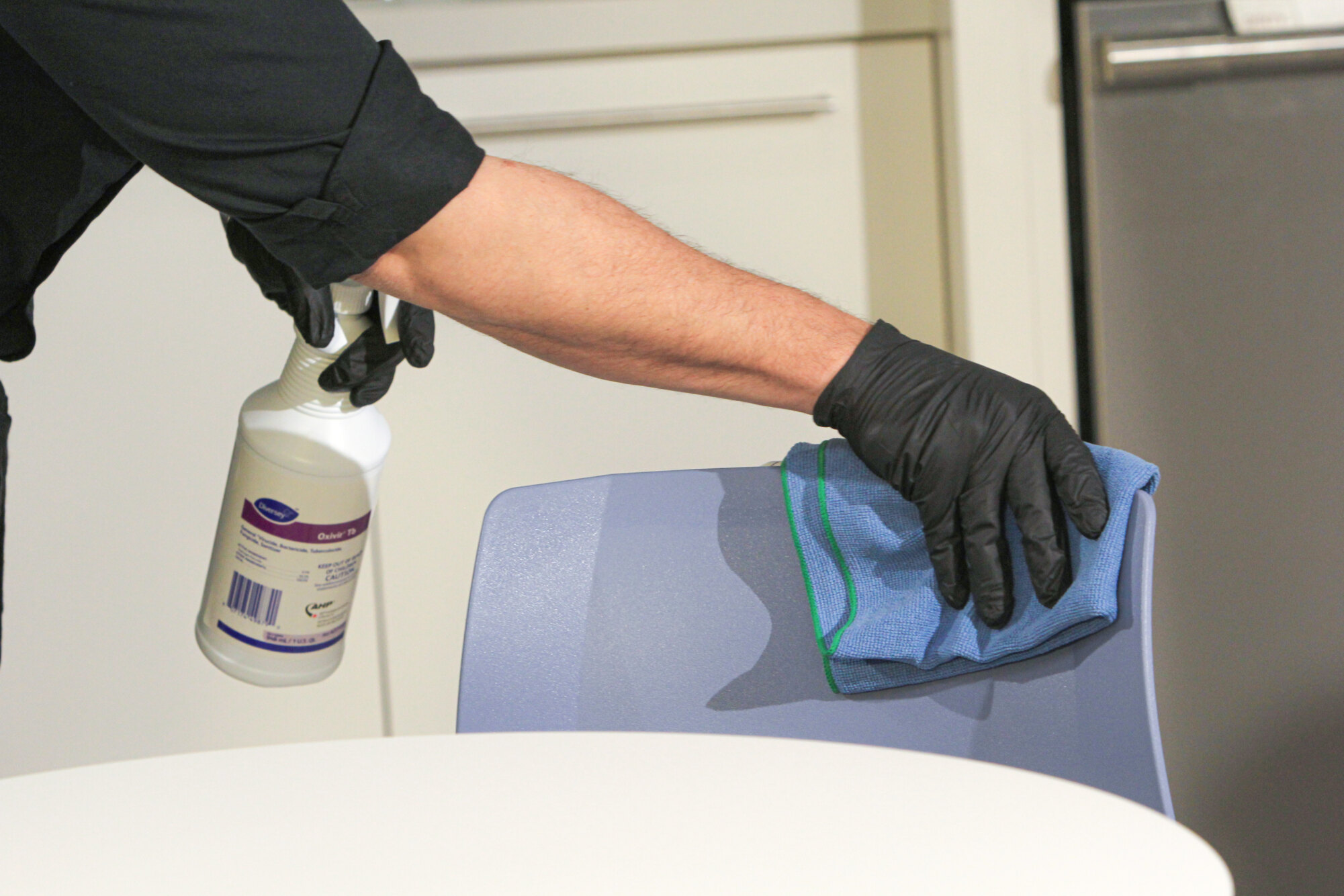
Yes. Harvard Maintenance provides commercial disinfection services through the Harvard Clean+ Program, which is designed to help clients address germs, pathogens, and high-touchpoint risks with proven protocols and trained teams. Harvard Clean+ includes a two-step “clean first, then disinfect” process, use of EPA List N disinfectants, strict adherence to dwell times, additional cleaner training, proper PPE, and specialized broad-dispersion equipment where appropriate.
Disinfection services may be used as part of a routine cleaning program, during periods of elevated concern, for high-traffic areas, or as a targeted response based on a facility’s risk level. Harvard works with clients to determine the right disinfection frequency, product application, and scope based on the facility type and operational needs.
The right commercial cleaning schedule depends on the size of the facility, occupancy levels, industry, operating hours, traffic patterns, and expectations for cleanliness. Many commercial office buildings and high-traffic facilities require daily janitorial service, while some spaces may also need day porter coverage, periodic deep cleaning, scheduled floor care, carpet extraction, window cleaning, or seasonal specialty services.
Harvard helps clients determine cleaning frequencies based on how the building is used. For example, restrooms, lobbies, elevators, kitchens, conference rooms, and other shared areas may require more frequent attention than lower-traffic spaces. Healthcare, life sciences, education, and industrial environments may also require more specialized cleaning schedules based on safety, compliance, or contamination-control needs.
Harvard maintains cleaning quality through a combination of trained people, defined processes, site-specific expectations, technology, inspections, and performance reviews. Our teams follow structured cleaning protocols and receive training through Harvard’s learning management approach, which includes safety, work rules, tactical cleaning, specialized cleaning, and management skill development.
Harvard also uses technology and quality assurance tools to monitor performance, track inspections, manage work orders, review KPIs, and provide visibility into service outcomes. Performance metrics may include quality inspections, safety and risk management, human resources, sustainability, and other client-specific measures. These results can be reviewed through ongoing communication and joint business reviews to support continuous improvement.
Businesses should look for a commercial cleaning partner with proven experience, trained employees, strong safety practices, transparent quality assurance, flexible service models, and the ability to support their specific industry. A strong provider should be able to explain not only what tasks will be completed, but how performance will be measured, how employees will be trained, how issues will be resolved, and how the program will adapt over time.
Harvard Maintenance brings together national scale, local responsiveness, sustainability expertise, safety-focused operations, and a people-first culture. For clients, that means more than a clean building — it means a service partner focused on protecting occupants, supporting facility goals, preserving assets, and creating environments where people want to be.
Yes. Sustainability is central to Harvard’s Cleaning for Wellness philosophy. Harvard’s sustainable cleaning program includes third-party certified products and processes, environmentally responsible tools and equipment, and strategies that help protect the health and well-being of building occupants while supporting client sustainability goals. Harvard’s internal materials also note that the company holds both Green Seal GS-42 and CIMS-GB with Honors certifications.
Through Harvard’s Ecosuite™ service offerings, clients can also explore solutions such as green cleaning, day cleaning, waste reduction, recycling, composting strategies, source reduction, and support for building certifications such as LEED, WELL, and WELL Health-Safety Rating where applicable.
Yes. Harvard supports multi-site clients, including retail, banking, branch networks, office portfolios, and other distributed facility operations. Multi-site cleaning requires more than staffing; it requires consistency, communication, quality assurance, scalable processes, and the ability to adapt to local building needs while maintaining brand-wide standards.
Harvard’s national footprint, technology platforms, training processes, and management structure allow us to support multi-location clients with transparency and accountability. Programs can be customized by site type, traffic volume, hours of operation, local requirements, and service expectations while still maintaining consistent standards across the portfolio.
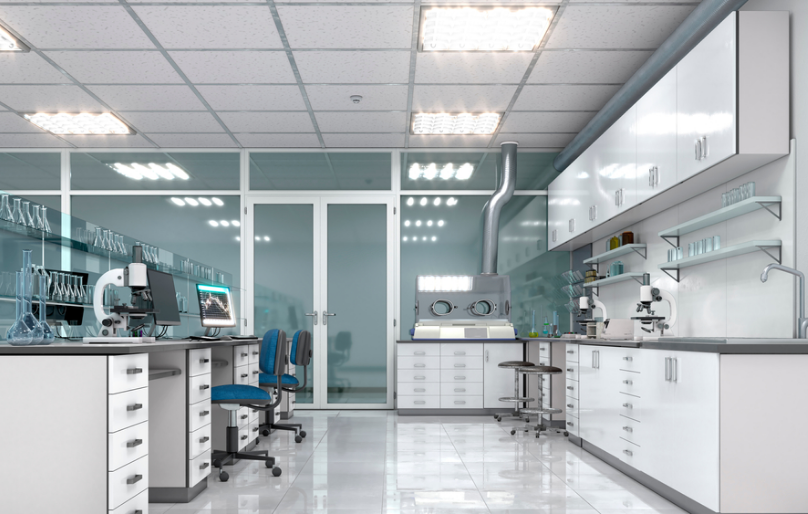
Yes. Harvard supports specialized environments such as healthcare facilities, medical offices, research facilities, laboratories, universities, life sciences facilities, and controlled environments. These spaces often require a higher level of cleanliness, trained teams, defined procedures, appropriate products, contamination control, and documentation.
In healthcare and medical environments, cleaning is closely tied to infection control, occupant safety, and regulatory expectations. In life sciences, laboratories, cleanrooms, and critical manufacturing environments, Harvard focuses on contamination prevention, trained expert staff, and cleaning essentials that support operational integrity.
Yes. Harvard provides a wide range of specialty services for projects that fall outside routine janitorial cleaning. These may include carpet extraction, upholstery cleaning, window cleaning, pressure washing, post-construction cleaning, move-in and move-out support, pantry maintenance, conference room setup, special event support, emergency response, light maintenance, tile and grout cleaning, and other customized ancillary services.
Specialty cleaning services are especially useful for facilities preparing for tenant turnover, construction completion, seasonal deep cleaning, executive visits, special events, or restoration needs. Harvard can incorporate these services into an ongoing cleaning program or provide them as scheduled periodic support.
A well-designed cleaning program does more than keep a building presentable. It helps preserve flooring, carpets, stone, metal, wood, furniture, fixtures, restrooms, shared spaces, and other building assets. Harvard’s Cleaning for Wellness approach includes asset preservation as a key part of the program, helping clients maintain both the appearance and performance of their spaces over time.
Through services such as floor care, carpet care, upholstery cleaning, specialty cleaning, and HarvardCare© restoration services in select markets, Harvard helps clients protect the details that shape occupant experience and long-term facility value.
High-traffic commercial buildings typically require a more proactive cleaning program than lower-occupancy spaces. Recommended services often include daily janitorial cleaning, day porter or matron services, restroom cleaning and restocking, lobby and common-area cleaning, elevator cleaning, high-touchpoint cleaning, trash and recycling removal, floor care, carpet maintenance, and periodic deep cleaning.
The most important areas to prioritize are the spaces people use most often: entrances, reception areas, restrooms, conference rooms, breakrooms, kitchens, elevators, stairwells, shared workspaces, and other common areas. Harvard Maintenance helps clients build cleaning programs around actual building usage, occupancy patterns, tenant expectations, and operational needs so that highly visible and high-use areas receive the right level of attention throughout the day.
Yes. Harvard Maintenance can support sustainable cleaning programs and broader green building goals through environmentally preferable products, responsible tools and equipment, sustainable cleaning processes, waste reduction strategies, and programs designed to support healthier indoor environments.
Our sustainability approach is closely connected to Harvard’s Cleaning for Wellness philosophy, which focuses on protecting people, places, and the environment. Depending on the facility’s goals, Harvard can help support initiatives related to green cleaning, day cleaning, recycling and waste diversion, source reduction, environmentally responsible supplies, and alignment with building certification efforts such as LEED, WELL, or WELL Health-Safety Rating.
For clients, sustainable cleaning is not just about using greener products. It is about creating a cleaning program that supports occupant health, operational efficiency, environmental responsibility, and long-term facility performance.
Harvard manages cleaning quality across multiple locations through standardized processes, trained teams, local supervision, technology, inspections, communication, and performance measurement. Multi-site cleaning programs require consistency, but they also require flexibility because each facility may have different hours, traffic patterns, layouts, and service expectations.
Harvard works with clients to establish clear scopes of work, site-specific requirements, quality standards, inspection routines, escalation procedures, and key performance indicators. Technology and reporting tools can help track work orders, inspection results, service performance, and trends across locations. This gives clients greater visibility into what is happening at each site and helps Harvard identify opportunities for improvement.
The goal is to deliver a consistent brand and occupant experience across the portfolio while still meeting the unique needs of each individual facility.
Many industries benefit from specialized commercial cleaning programs, especially when their facilities involve higher occupancy, regulatory expectations, sensitive environments, specialized equipment, or elevated health and safety requirements. These industries may include healthcare, life sciences, education, industrial and manufacturing, utilities, financial institutions, government, commercial real estate, and multi-site retail or banking environments.
For example, healthcare and medical office environments may require cleaning programs that support infection control and occupant safety. Life sciences, laboratories, cleanrooms, and controlled environments may require contamination prevention, specialized training, and detailed procedures. Education facilities may need cleaning programs that account for high-touch surfaces, shared spaces, and fluctuating occupancy. Industrial and manufacturing facilities may require attention to safety, production schedules, and facility-specific conditions.
Harvard develops industry-specific programs based on the way each environment operates, the risks present, and the outcomes the client needs to achieve.
A business should use specialty cleaning services when routine janitorial work is not enough to address a specific project, surface, event, or facility need. Specialty cleaning may be needed for post-construction cleanup, move-ins and move-outs, carpet extraction, upholstery cleaning, window cleaning, pressure washing, tile and grout cleaning, pantry maintenance, special events, emergency response, or periodic deep cleaning.
Specialty services are also valuable when a facility needs to refresh high-visibility areas, prepare for tenant occupancy, recover after heavy use, support seasonal maintenance, or protect long-term asset value. For example, carpets, hard floors, architectural finishes, furniture, kitchens, conference areas, and entryways may require periodic care beyond daily cleaning.
Harvard Maintenance can incorporate specialty services into an ongoing janitorial program or provide them as scheduled project-based support.
A commercial janitorial scope of work should clearly define the cleaning tasks, service frequencies, staffing expectations, areas covered, quality standards, communication process, and performance measurement approach. A strong scope should include daily, weekly, monthly, and periodic cleaning requirements so both the client and cleaning provider have a shared understanding of expectations.
Common scope elements may include restroom cleaning and restocking, trash and recycling removal, dusting, vacuuming, hard floor care, carpet care, breakroom and kitchen cleaning, lobby and common-area cleaning, conference room cleaning, high-touchpoint cleaning, supply management, porter services, and specialty cleaning requirements. The scope should also identify any industry-specific needs, security protocols, sustainability requirements, safety procedures, after-hours access requirements, and reporting expectations.
Harvard works with clients to develop customized scopes of work that reflect the facility’s size, occupancy, traffic patterns, industry requirements, budget, and desired outcomes.
To request a commercial cleaning quote from Harvard Maintenance, contact our team through the website or reach out directly to discuss your facility’s needs. Harvard will typically want to understand your facility type, square footage, location or locations, operating hours, current cleaning challenges, desired services, cleaning frequency, industry requirements, and any specialty or sustainability goals.
From there, Harvard can evaluate your needs and develop a customized cleaning program aligned with your building, occupants, operations, and business goals. Whether you need daily janitorial service, specialty cleaning, disinfection, sustainable cleaning support, or a multi-site program, Harvard can help determine the right scope and service model for your facility.