



















A clean facility is essential to a positive occupant experience. But cleanliness alone does not define how people experience a building or the people who care for it.
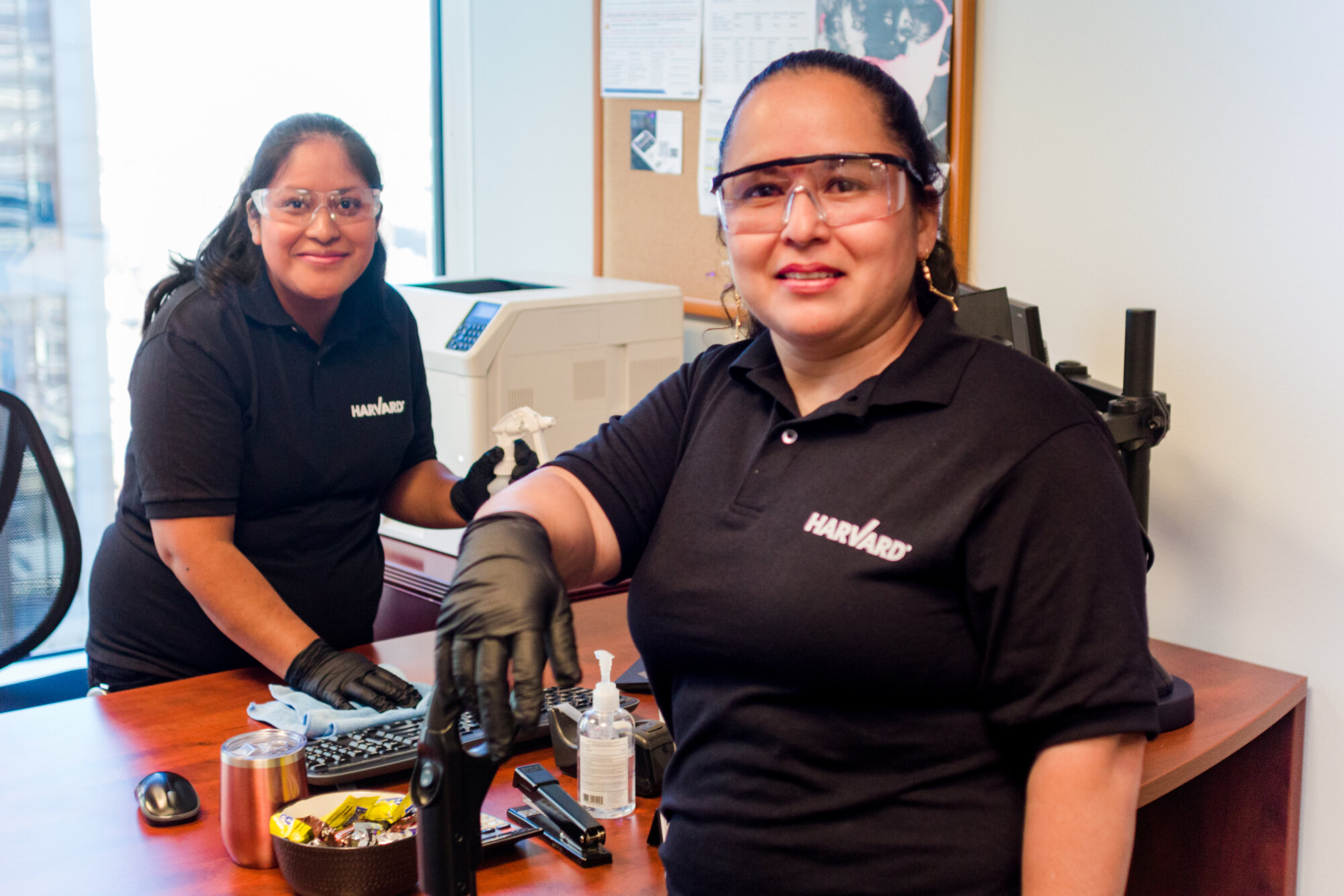
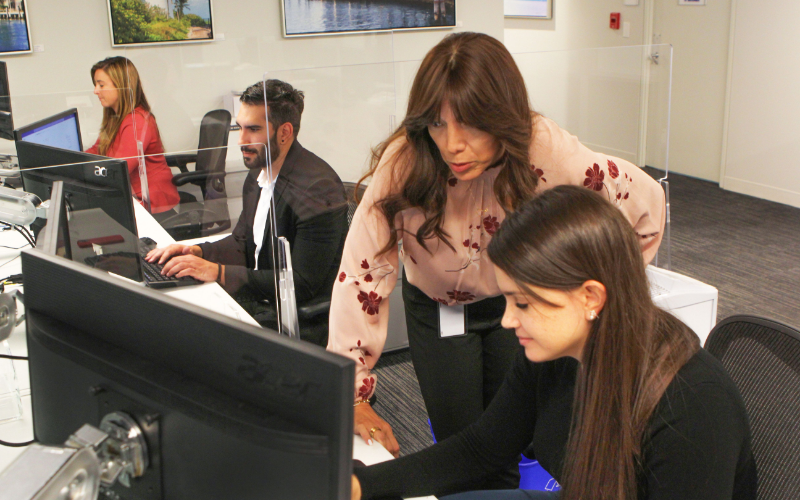
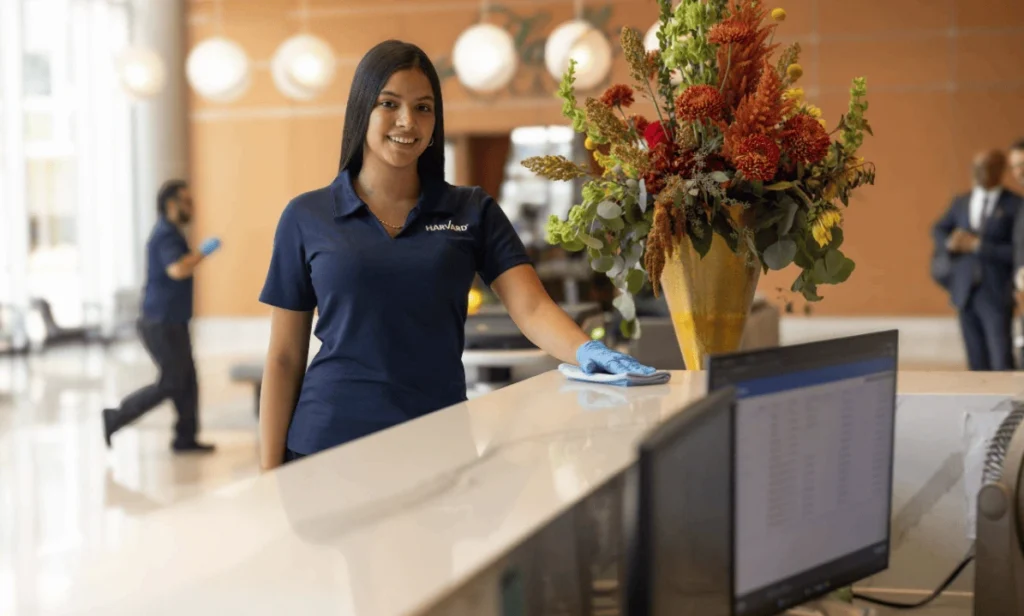
Frontline janitorial employees are often among the most visible service professionals in a facility. While completing their daily responsibilities, they may greet occupants, answer questions, provide directions, receive requests or encounter someone with a concern.
Each of those moments influences how service is perceived.
That is why hospitality skills are becoming increasingly important in professional janitorial services. At Harvard Maintenance, we believe frontline employees should be equipped not only with the technical skills to care for a facility, but also with the customer-service skills to navigate the human interactions that come with the job.
The Expanding Role of the Janitorial Professional
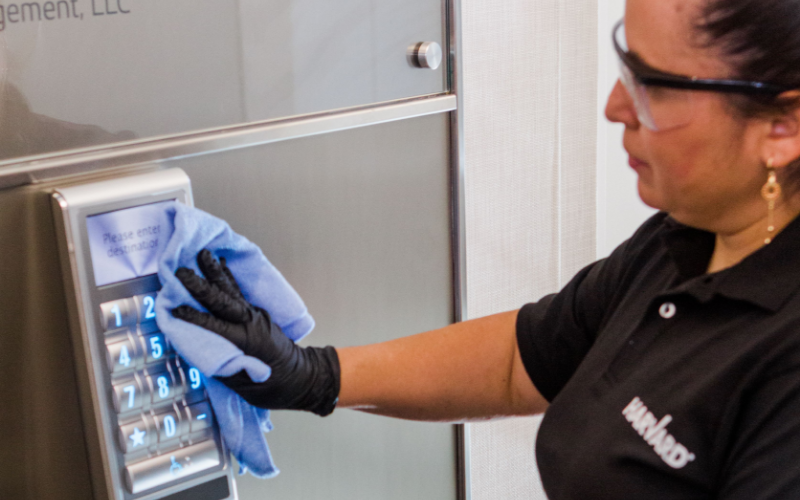
The modern janitorial professional does more than perform cleaning tasks. Especially in highly occupied environments, frontline employees work alongside the people who use those spaces every day.
That visibility makes communication, professionalism and responsiveness important components of service delivery.
Knowing how to acknowledge an occupant, listen to a request, communicate clearly or appropriately route a question can turn an ordinary interaction into a positive experience. Just as importantly, employees need the confidence to respond professionally when they do not have an immediate answer or when a situation requires assistance from someone else.
Hospitality training helps develop those skills.
It can also help employees navigate more challenging moments. A complaint, unexpected request or frustrated occupant requires a different skill set than performing a cleaning task. Employees need to remain calm and respectful, understand the concern and determine the appropriate next step, all without overstepping their responsibilities.
In environments with heightened safety, security or privacy requirements, hospitality must also operate within appropriate boundaries.
Training for the Situations Employees Actually Encounter
To strengthen these capabilities, Harvard developed Every Interaction Matters: Professional Customer Service for Frontline Teams at Harvard.
The program is designed primarily for frontline employees, including janitorial and security teams, and uses realistic scenarios based on situations employees may encounter during the workday.
The training focuses on practical hospitality and customer-service skills, including professional communication, active listening, responsiveness, appropriate request handling and navigating challenging customer interactions. Employees also learn how to balance hospitality with their responsibilities related to safety, security, privacy and professional boundaries.
Rather than asking supervisors to complete a customer-service course and translate the concepts for their teams, Harvard designed the program for frontline employees to complete directly. Employees are introduced to practical service approaches that help them apply these behaviors consistently in the situations they encounter every day.
That distinction matters. Hospitality concepts become more meaningful when employees can see how they apply to their own work, responsibilities and customer interactions.
The program can also be customized for specific clients and environments by incorporating relevant terminology, expectations and scenarios while maintaining Harvard’s core approach to service.
Technical Excellence Meets Human Experience
Harvard has long believed in putting people first and giving employees the resources and training they need to succeed. Our investment in hospitality training builds on that foundation.
Technical cleaning expertise remains fundamental. But as janitorial teams become increasingly visible contributors to the occupant experience, how service is delivered matters alongside the work being performed.
A clean restroom matters. So does the interaction an occupant has with the person maintaining it.
A well-kept lobby matters. So does the way someone is greeted when they ask for assistance.
A resolved service request matters. So does how a person feels while that request is being addressed.
The individual moments may be small, but together they shape the service experience.
That is the idea behind Every Interaction Matters and why we believe hospitality skills belong alongside technical expertise in the development of today’s frontline janitorial professionals.